How To: Choose the Right Furnace Filter
 Photo: CGardner As far as home improvement gear goes, furnace filters are admittedly among the least, um… exciting. There’s none of the danger and raw efficacy of power tools, none of the visual impact of perfectly mitered crown molding, and certainly none of the reassurance that accompanies big investments like new windows or new roofing. But there can be big impact even in little things, and finding the right furnace filter can not only save money, but also improve air quality. Originally, filters were designed to protect the moving parts of the furnace itself, but thanks to technological advancements, filters now prevent harmful particles from cycling back into the air that you breathe at home. Below are five common options, available in all sizes and budgets. The Minimum Efficiency Reporting Values (MERV) scale rates the efficiency on a scale of 1-20.  American Air Filter Disposable fiberglass – this is the option that comes to mind when you think “furnace filter.” Created from 1″-thick spun fiberglass, it does little more than prevent larger particles like dust, lint, and debris from gunking up your system. MERV rating: 2-3, cost: $1-2 Pros: Very inexpensive, good for renters and those without allergies or asthma Cons: Has little to no effect on cleaning the air  Zoro Tools Disposable pleated – this popular option, made from polyester or cotton paper, can remove some small particles like spores and mites, but needs to be changed frequently to avoid clogging and taxing your HVAC system. MERV rating: 6, cost: $4-5 Pros: Relatively inexpensive, can be made from green materials, blocks some small particles Cons: Can add more resistance to air flow, making your system more expensive to operate  Permatron Disposable electrostatic – contains self-charging electrostatic cotton or paper fibers that attract and trap small particles. MERV rating: 10, cost: $10 Pros: Affordable in standard sizes; good for homes with children, pets, or smokers Cons: Custom sizes are expensive, high costs if replaced regularly over several years  American Air Filter Permanent electrostatic – similar to their disposable brethren, these contain self-charging cotton fibers that attract particles. Permanent options have a removable, machine-washable filter that can be removed and reused for six to eight years. MERV rating: 8, cost: $15-20 Pros: Little waste, more effective than pleated; a good option if you use a popular size Cons: Less effective than electrostatic, custom sizes are expensive 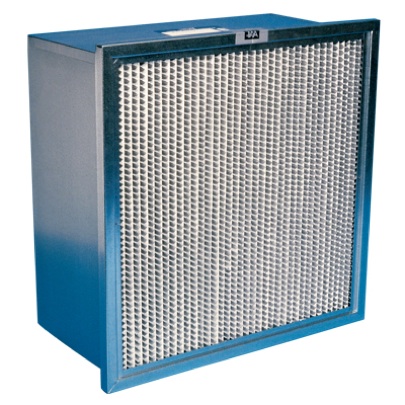 Varicel High-efficiency pleated – the grandaddy of furnace filters. These are made from deep 4-5″ pleated synthetic cotton, attached to very rigid metal grid to prevent leaks or fluttering. MERV: 14-16, cost: $100 Pros: Used in hospitals, these screen out the smallest of particles. May be very helpful for those with respiratory problems or autoimmune disorders Cons: Expensive – $100 a year, and can only be installed in special housing due to thick size For more on heating, ventilation, and air conditioning, consider: Radiant Floor Heating 101 Gas Fireplaces: A Showcase of Design and Innovation Quick Tip: Ventilation for the Home ---------------- 签名: 君子道者三:仁者不忧,知者不惑,勇者不惧。 回复 |

