Nguyen Thi Tien is seen here with her husband Ong The Thin, also a veteran. She was still in secondary school when she joined the 592 Pipelaying Regiment, spurred to do so by the bombing of her village.
"They hit the farmers and the villagers died," she said. "I saw the bombs drop. It made me so angry."
She was responsible for moving fuel through pipelines amongst the inhospitable jungle of the Truong Son Mountains.
"We always had some threat: enemy, disease, dangerous animals. Our hair fell out from malaria and we did not have enough to eat. But the strength of the mind became a physical strength. We would never give up."
Ha Thi Mac
Image copyrightLEE KAREN STOW
Ha Thi Mac, now in her 60s, and also a veteran soldier of Brigade 559 worked in the jungle supplying troops.
"We grew cassava to eat the leaf as we had a lack of green vegetables and vitamins and sometimes felt very weak. Many died of malaria from going out to collect the rice and I think we were exposed to Agent Orange as we lived in the contaminated areas."
After the war, she returned to her studies and now works in the international relations department of the Vietnam Association of Victims of Agent Orange/Dioxin (VAVA) in Hanoi.
''I saw many friends die and I know I am lucky to be alive. I came back from the war to my studies. But my friends had problems because of Agent Orange.
"So many children are living in a vegetative state, they lie in bed all day and have many diseases. We don't want war to happen again. That's why we must tell everyone in the world to join together and protest war, any war, especially chemical war.''
Image copyrightLEE KAREN STOW
Image captionMilitary hat and uniform belonging to Nguyen Thi Dinh, the female Deputy Commander of the South Vietnam Liberation Armed Forces (Viet Cong) on display at the Vietnamese Women’s Museum in Hanoi. Today, Vietnam has two museums dedicated solely to women.


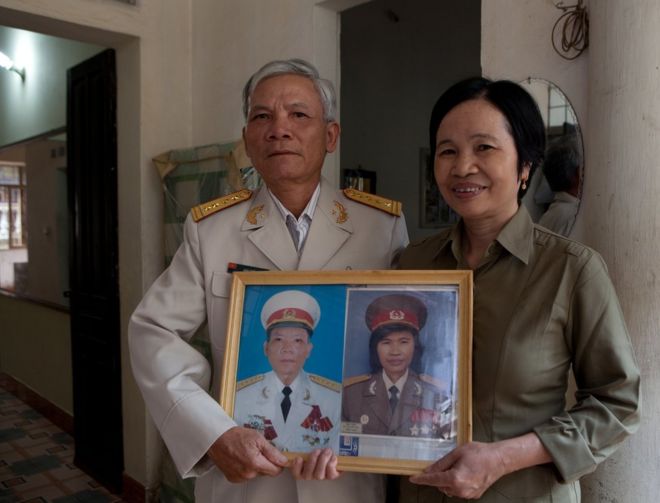 Image copyrightLEE KAREN STOW
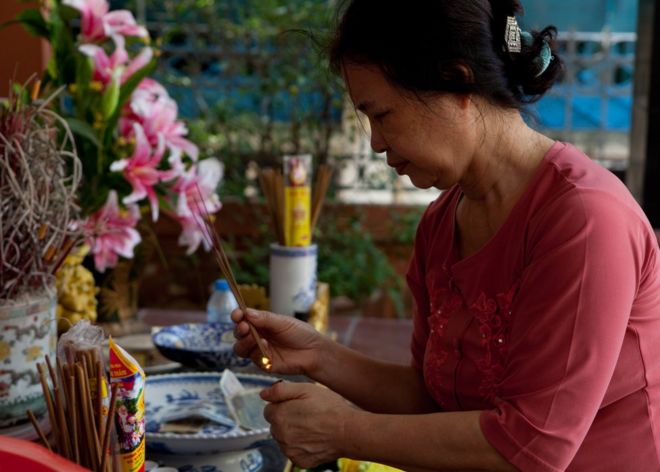 Image copyrightLEE KAREN STOW
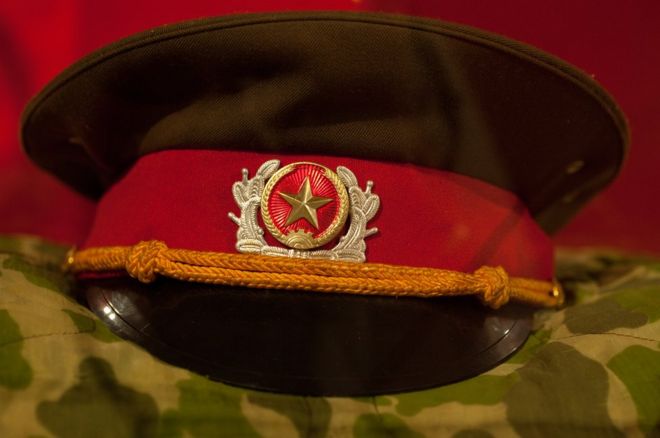 Image copyrightLEE KAREN STOW